


Introduction
Hand paralysis after a stroke can significantly limit daily activities, presenting a long-term challenge for both patients and their families. Recently, vibration stimulation has gained attention as a rehabilitation aid, with devices now available for home use as well as in medical settings.
This article explains the effects of vibration stimulation on hand paralysis, how frequency settings can control muscle tension and relaxation, and introduces two recommended home-use devices.
1. Effects of Vibration Stimulation on Hand Paralysis
Vibration stimulation sends sensory input via the skin, muscles, and tendons to the central nervous system, promoting improvements in muscle activity and sensory function.
Studies have reported benefits such as:
- ✅ Reduction of muscle tension (spasticity)
- ✅ Facilitation of voluntary muscle activity
- ✅ Enhanced sensory input to support relearning of hand movements
- ✅ Improvement of joint range of motion and pain relief
Especially for post-stroke hand recovery, repetitive vibration stimulation may promote neuroplasticity, leading to better motor control.
2. Controlling Tension and Relaxation Through Frequency Settings
The effects of vibration stimulation vary with frequency (Hz). Based on research and clinical experience:
| Frequency Range | Main Effect | Example Use |
|---|---|---|
| 20–50Hz | Promotes muscle relaxation | For strong spasticity and relaxation |
| 40–60Hz | Promotes contraction in some muscles (e.g., lateral gastrocnemius) | Warm-up to activate muscles |
| 80–120Hz | Induces tonic vibration reflex (TVR) | During muscle contraction training |
| 100–150Hz | Enhances EMG activity and motor unit synchronization | Intensive muscle strengthening |
| 150Hz+ | May cause pain or discomfort; over 200Hz can damage skin | Not recommended |
In general, lower frequencies promote relaxation, while higher frequencies promote activation. However, optimal frequencies vary between individuals, so it’s best to seek guidance from a professional.
3. Recommended Home-Use Vibration Devices
① Fascia Release Gun (30–50Hz)
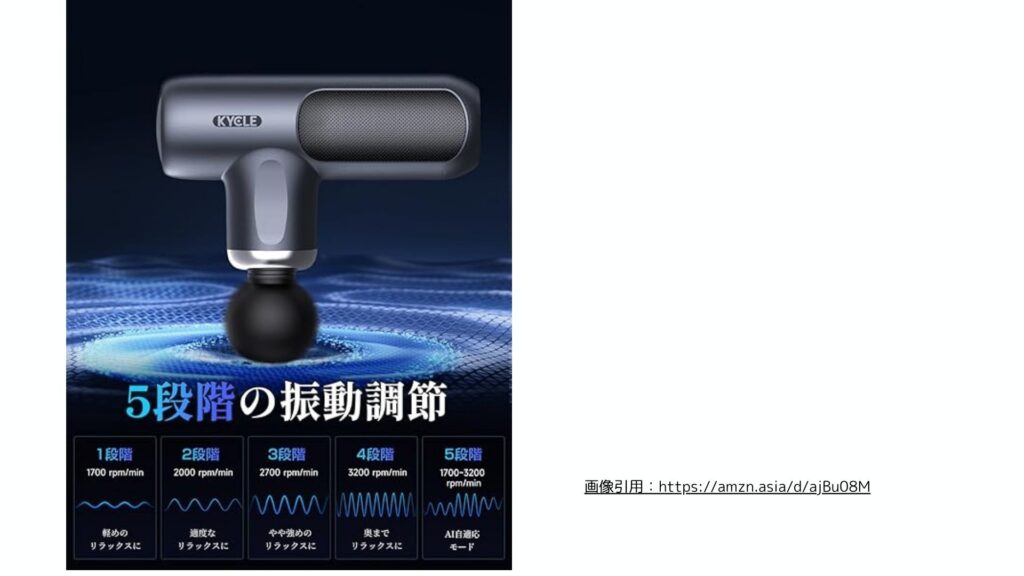
- Feature: Adjustable to low-frequency range (30–50Hz)
- Best for: Reducing spasticity, over-tension, and for relaxation
- Benefits: Cordless, easy to hold, targeted stimulation possible
② THRIVE Handy Massager (90–100Hz)
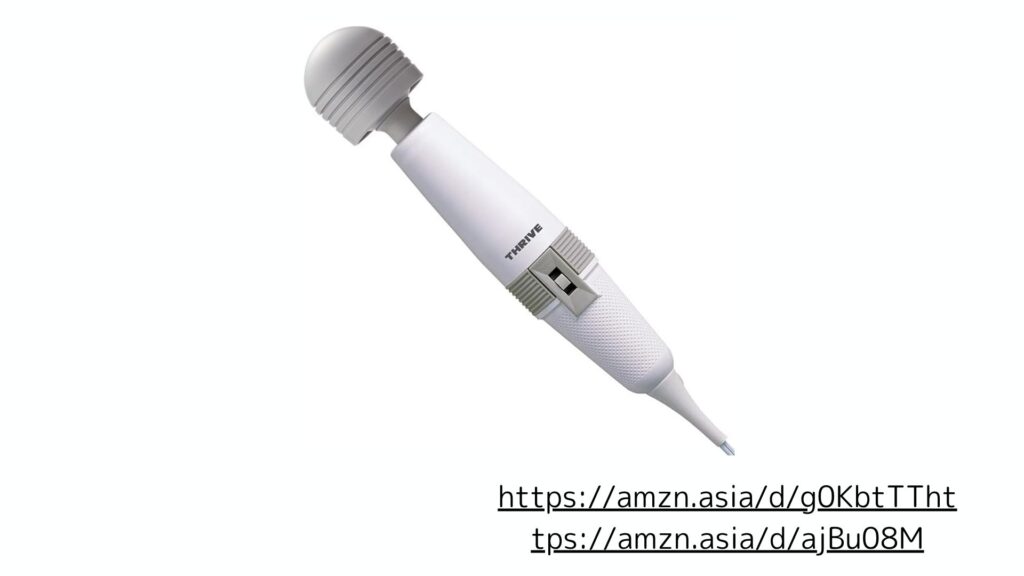
- Feature: Medium-to-high frequency (90–100Hz)
- Best for: Activating muscle activity, warm-up
- Benefits: Provides uniform vibration over a wide area, easy to use on wrists and forearms
In Conclusion
Vibration stimulation for post-stroke hand paralysis is valuable because frequency settings can either relax muscle tension or promote muscle activation.
When used properly, home devices can enhance the quality of daily self-training and boost rehabilitation outcomes.
However, those with reduced skin sensation or circulation problems should use caution. Always consult with medical or rehabilitation professionals before starting.
#Kyoto #Kyoto Osteopathy Center #Osteopathy #Chiropractic #Pain
#Numbness #Paralysis #Posture #Walking #Stroke #Rehabilitation #VibrationStimulation
ブログを書いたスタッフ

大村 颯太
〜薬に頼りすぎない人生を共に創る〜 理論に固執しすぎず、結果にこだわる柔軟な施術家を目指しています。 ・理学療法士 ・健康科学修士 ・JEFPA認定足育アドバイザー ・発達ケア・アドバイザー ~Let's create a life together that doesn't rely too much on medication~ I aim to be a flexible therapist who focuses on results and doesn't get too hung up on theory. ・Physiotherapist ・Master of Health Science ・JEFPA certified foot care advisor ・developmental care advisor
大村 颯太のブログ一覧